
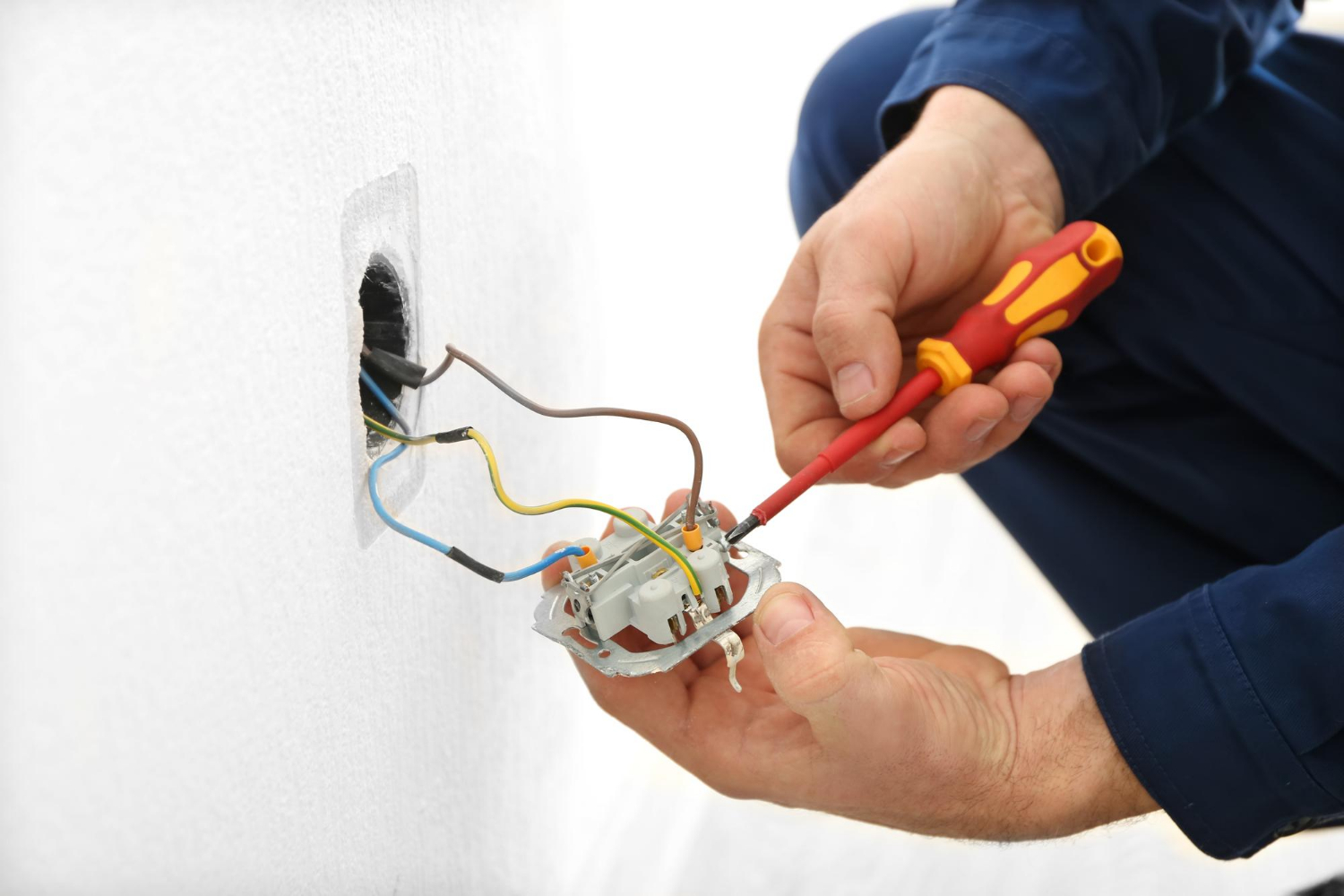
Basic electrical repairs at home can seem daunting, especially if you’re not familiar with handling wires and circuits. But having a basic understanding of how some minor repairs work can save time and possibly prevent small issues from turning into bigger problems. Even in areas like Glenfield Park and Wagga Wagga, where professional help is readily available, knowing these basics can empower you to address minor issues safely and effectively.
However, safety is paramount. Before you dive into any electrical work, it’s essential to familiarize yourself with safety practices to avoid unnecessary risks. Rest assured, this guide aims to equip you with know-how for dealing with minor electrical issues around your home.
Safety First: Preparing for Electrical Repairs
When it comes to handling electrical repairs, being prepared is half the battle. Here are some precautions and steps to take before you start any work:
1. Gather Your Tools and Safety Gear:
– Ensure you have insulated screwdrivers, a reliable voltage tester, and wire strippers.
– Safety gear is crucial. Equip yourself with rubber-soled shoes and safety goggles to reduce potential risks.
2. Turn Off the Power:
– Always switch off the power at the circuit breaker before starting any repair. This step is non-negotiable when it comes to ensuring your safety and blocking electric shock risks.
3. Understand What You’re Dealing With:
– Have a clear idea of what the issue is. This isn’t about making guesses. Try to diagnose the problem through safe observations first, and avoid starting work until you know what you are dealing with.
By approaching electrical repairs with the right preparation and mindset, you contribute to a safer environment for yourself and others in your home.
Common Electrical Repairs You Can Do at Home
While it’s always best to let professionals handle significant repairs, there are common tasks you can take on with confidence and care. Let’s look at a few:
– Replacing a Broken Light Switch:
– First, confirm the power to the light switch is off.
– Use a screwdriver to remove the screws on the switch cover and gently pull it out.
– Detach the wires connected to the old switch, remembering their placements.
– Connect these wires to the new switch, attach it back to the wall, and secure it with screws.
– Restore power and give it a test. Be cautious and ensure all connections are tight before doing so.
– Fixing a Faulty Outlet:
– After ensuring the power is off, remove the outlet cover.
– Check for loose wires or signs of damage.
– Tighten loose connections or replace frayed wires with similar new ones.
– Reassemble everything securely before turning the power back on.
– Replacing a Light Bulb/Socket:
– Turn off the light or power to the bulb socket.
– Carefully remove the old bulb and inspect the socket for damage.
– If it’s the bulb that’s faulty, simply replace it with a new one of the same wattage.
– When the socket needs replacing, disconnect the wires, remove the old socket, and attach the new one by reconnecting wires securely.
Remember, only attempt these repairs if you feel comfortable and confident. If there’s any doubt, it’s always better to seek professional assistance. Taking these small steps yourself can sometimes make a considerable difference and keep your home in good running order. But, knowing when to call in the experts is also an important part of home maintenance.
When to Call a Professional
Sometimes, electrical issues go beyond the basic scope of home repair. Knowing when to step back and call in a professional is half the battle. A few telltale signs signal it’s time to get expert help and not attempt the fix yourself. If you notice burning smells, sparks, or continually tripping breakers, it’s best not to tinker around. These situations often point towards complex problems lurking within your home’s electrical system.
Taking on complex electrical tasks can lead to dangerous situations if you’re not properly trained. Inexperienced handling of these repairs increases the risk of electric shock or causing more damage. You want someone skilled to manage these situations to prevent hazards. Learning to identify when a problem is beyond your skill level is crucial for maintaining safety at home.
Here’s a quick checklist to consider when deciding if you should call a professional:
– Electrical surges occur frequently.
– Circuits constantly trip or blow fuses without a clear cause.
– There’s damage or overheating at outlets or switches.
– An electrical project requires new wiring or connections.
Electrical systems are intricate and a misstep can have serious repercussions. Sometimes walking away from a DIY attempt is the smartest choice, especially when dealing with potential hazards.
Preventive Tips to Keep Your Home’s Electrical System Safe
Keeping your home’s electrical system running smoothly means being proactive with checks and maintenance. Here are a few simple measures to consider:
1. Weekly Inspections: Take a few minutes each week to look at outlets, switches, and cords for signs of wear or damage. Early detection can help avoid bigger problems.
2. Avoid Overloading Circuits: Be mindful not to plug too many devices into a single outlet, as this can cause overheating and increase fire risk. Use surge protectors instead of multisocket adapters when necessary.
3. Scheduled Professional Inspections: Set regular appointments with an electrician to check on your home’s electrical system. These regular check-ups identify potential issues which can be addressed before they become major headaches.
Preventive efforts are not just about dealing with repairs that need immediate attention but establishing a regular schedule to ensure your system is up to par. This approach can save time and money in the long run, while providing peace of mind that things are safe and sound.
Ensuring Electrical Safety in Glenfield Park & Wagga Wagga Homes
Now that you’ve got a grasp on basic electrical repair tasks, it’s time to keep that momentum going to ensure safety within your home. The key is consistent upkeep and knowing when to call in the big guns when something’s not right. Don’t underestimate the value of regular maintenance; it keeps your system running smoothly and highlights any future problems on the horizon.
By being vigilant and proactive, you can take charge of your home’s electrical health. Leveraging professional services when needed complements your constant effort to maintain a safe environment. The more familiar you become with your home’s electrical system, the better you’ll be at ensuring it’s functioning safely, keeping your residence in Glenfield Park and Wagga Wagga safe and up-to-date.
Making sure your home’s electrical system runs smoothly is a smart move for any homeowner. For more intricate concerns or when you’re unsure about tackling a fault, count on Riley Smith Electrical to handle the job safely. Explore our offerings in electrical home repair today and let us assist you in keeping your home in Glenfield Park safer and more reliable.
For expert building designs contact https://nwdesignstudio.com.au/